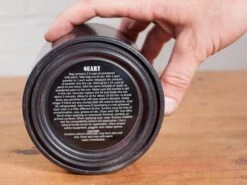
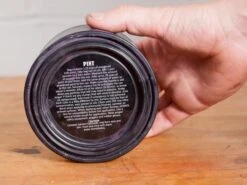
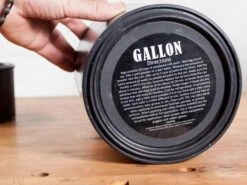
Original price was: $5.00.$3.50Current price is: $3.50.
- Free Shipping, Quality Goods
- Quality You Can Trust
- Quality products, fair prices.
- Expertly Sourced, Quality Guaranteed

- Main
- Usage
- Yellow
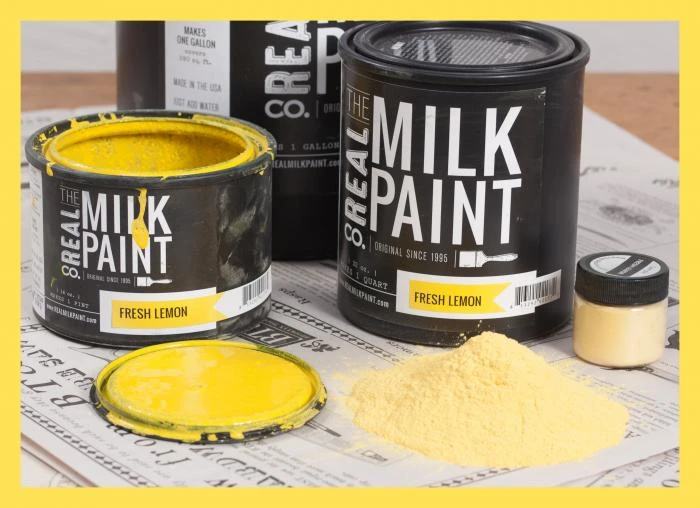
Developed for an antique restoration business, Real Milk Paint recalls a formula dating back to 16th century painters, who were jazzed about the saturated colors and superb adhesion of their lactose-fortified concoctions.
.
The ingredients of Real Milk Paint are simple and healthful: purified casein, pharmaceutical-grade lime, and pigments. In curing, the lime carbonizes, thereby improving air quality by absorbing the greenhouse gas CO2. Your lungs will thank you! Painting with Milk Paint is a nearly odorless experience. Milk Paint is 100% non-toxic and made only from organic materials with no solvents or VOC’s (volatile organic compounds).
Made in the USA.
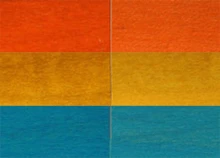
For reference – all color swatches are actual paint photographed against a neutral White and Grey color card and post processed using the correct temperature. However, before painting an important project, or the family heirlooms, paint a small area first to test the color, as ambient lighting, coating thickness, and substrate will all affect how the paint looks.
For a matte, solid finish, use a creamy consistency, dilute with water further for a stain or wash finish. Milk paint is commonly used for textured finishes, at it will naturally leave a chalky surface and retain the brush or roller strokes. Use a foam brush for a uniform finish. Sand between coats with 320-grit sandpaper and burnish with a brown paper bag (hats off to Mr. Schwarz) for the smoothest finish.
Real Milk Paint adheres well to wood, plaster, concrete, drywall, unsealed brick, and stone, and it typically does not require priming or sanding. Real Milk Paint is highly breathable – use a sealant for high-moisture or high-traffic areas. After drying 3-4 hours, Pure Tung Oil, varnish, lacquer, or wax can be applied.
Coverage, one coat
| 1 oz. | 2 sq. ft. |
|---|---|
| 16 oz. | 35 sq. ft. |
| 32 oz. | 70 sq. ft. |
| Gallon | 280 sq. ft. |
Be the first to review “Real Milk Paint – Yellows”
Related products
Finishing
Finishing
Finishing
Finishing
Finishing
Reviews
There are no reviews yet.